


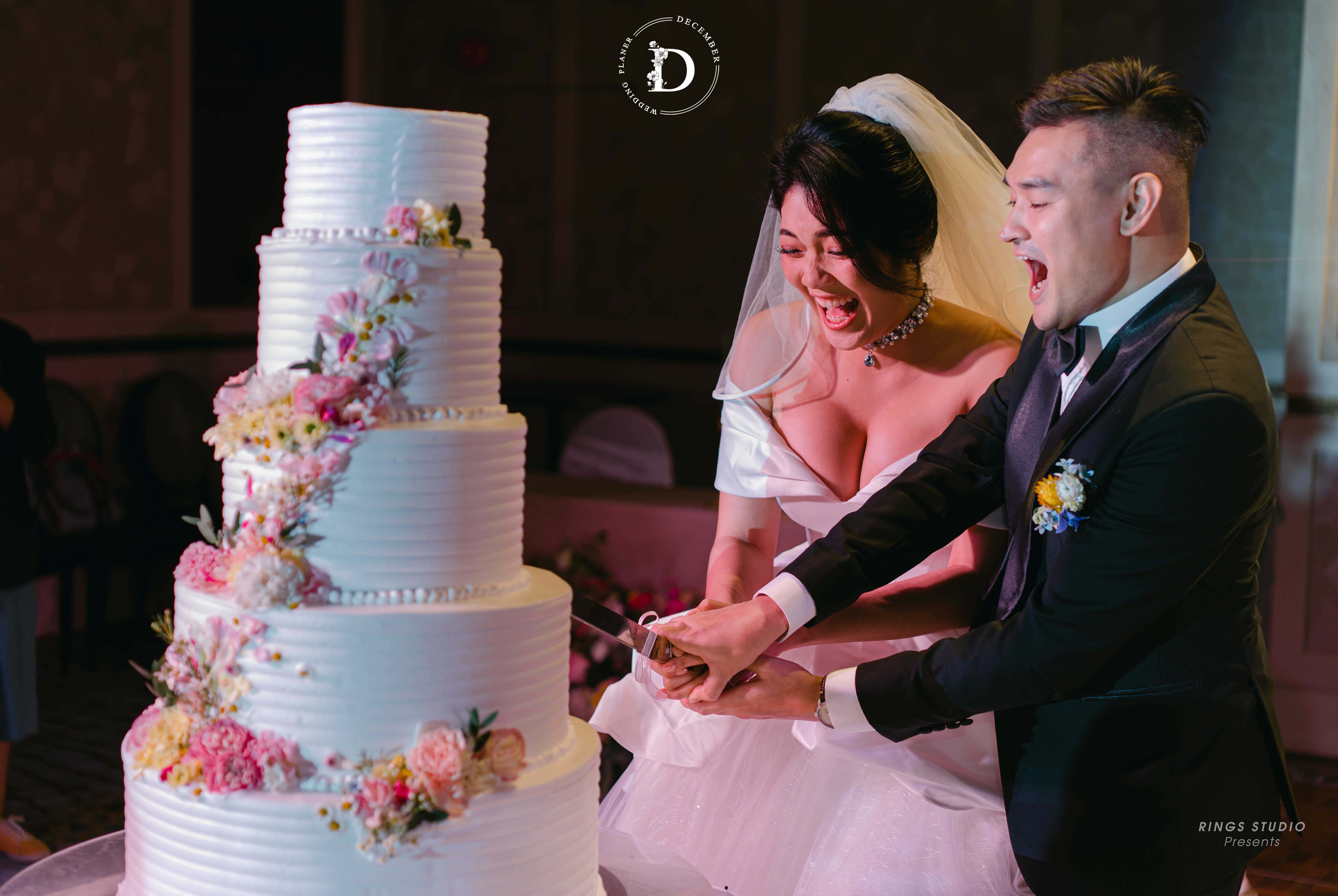
The Wedding Planner Decisions Your Guests Will Never Notice
The best weddings often have a way of making everything feel effortless. Guests arrive, find their seats, enjoy the meal, raise a glass to the newlyweds, and settle into the celebration. There are no awkward pauses, no confusing transitions, and no sense that anything has gone off plan.
What guests rarely see is the thought and preparation behind that ease. From carefully considered decisions made months in advance to quick adjustments on the wedding day itself, a wedding planner’s role is often to anticipate what could go wrong so that everyone else can focus on what matters most.
1. A Well-Planned Timeline Leaves Room to Breathe
When planning a wedding, it is tempting to fit in everything the couple has imagined: guest arrivals, photographs, the ceremony, speeches, dinner, toasts, and time on the dance floor. But a full schedule is not necessarily a well-planned one.
A ceremony may run longer than expected. Guests may need extra time to find their seats. The couple might want a few more moments with their family after an emotional speech. Without enough breathing room, even a small delay can affect everything that follows.
A wedding planner looks beyond the order of events to consider realistic timings, transitions, and contingency time. If the schedule moves faster or slower than anticipated, the team can adjust where needed without making guests feel rushed.
Sometimes, one of the most important decisions is not what to add to the schedule, but what to leave open.

2. Adjusting the Order of Events to Preserve the Mood
A wedding timeline may look flawless on paper, but the atmosphere on the day can call for a different approach.
A heartfelt speech might take longer than expected. Guests may still be enjoying their conversations when it is time to move on to the next part of the evening. The couple may want extra time to greet loved ones who have travelled a long way to celebrate with them.
In these moments, a wedding planner must decide whether to keep the schedule as planned, shorten a segment, or rearrange the order of events. A particular moment may work better later in the evening, while an unnecessary transition can be removed to keep the celebration flowing naturally.
The goal is not to follow every minute of the schedule at all costs. It is to preserve the rhythm of the celebration.
After all, a wedding is not a performance that must follow a script to the second. It is a gathering of two families, a reunion of friends, and an opportunity for the couple to be fully present in a day they have spent months preparing for.
3. Designing a Space That Works as Beautifully as It Looks
When looking at a wedding design, it is easy to focus on the flowers, the stage, the lighting, the tablescapes, and the statement installations. But for a wedding planner, a beautiful space must work just as well in practice as it does in photographs.
Can guests easily find the welcome area? Will the walkways remain clear when everyone moves between spaces? Could the guestbook or gallery table create a bottleneck near the entrance? Will guests seated further back have a clear view of the stage?
These are the questions that need to be answered before the wedding day.
Sometimes, the team may need to reposition a decorative feature, adjust the table layout, or rethink guest circulation to prevent too many people gathering in one place. Such changes may barely affect the overall aesthetic, yet they can make a meaningful difference to how comfortable guests feel.
A thoughtful design should do more than look beautiful from the perfect camera angle. It should feel intuitive to move through, gather in, and experience.
4. Making the In-Between Moments Feel Considered
Not every part of a wedding day is filled with a formal activity. Guests may arrive before the reception begins, wait while the couple finishes their portraits, or need a little extra time to settle in before the ceremony.
When these intervals are overlooked, guests can be left wondering where to go, whether they should remain seated, or when the next part of the celebration will begin.
A wedding planner anticipates these moments and makes sure there is a plan for them. That might mean positioning team members where guests need guidance, keeping the welcome team informed of any schedule changes, or allowing enough time for guests to mingle and take photographs without disrupting what comes next.
These details rarely become the focal point of a wedding album. Yet they help create something guests notice, even if they cannot quite put their finger on it: the feeling of being welcomed and taken care of.

5. Handling Last-Minute Changes Without Adding to the Couple’s Stress
Even the most carefully planned wedding can bring unexpected challenges. A supplier may arrive late, the weather may change, equipment may need a last-minute check, or a part of the programme may need to be adjusted.
A wedding planner’s job is not simply to find a solution. It is also to determine which issues require the couple’s input and which can be handled by the team within the agreed plan.
A minor layout adjustment might be resolved directly with the relevant suppliers. A change affecting an important ceremony or one of the couple’s priorities, however, should be discussed with them before any decision is made.
Being proactive does not mean making every decision on the couple’s behalf. It means recognising a problem early, assessing its impact, coordinating with the right people, and finding a suitable solution while respecting the couple’s wishes.
When the team handles these details thoughtfully, the couple can spend less time worrying about logistics and more time with the people they have gathered to celebrate with.
6. Bringing Every Supplier Together Behind the Scenes
A wedding brings together a number of moving parts: the venue, floral and decor teams, lighting and sound technicians, photographers, videographers, the MC, musicians, and other suppliers. Each has a different responsibility, but their work needs to come together within the same schedule.
The lighting team needs to know when to adjust the atmosphere for a key moment. The photography and videography teams need to be prepared for important entrances and formalities. The MC needs the latest version of the running order. Suppliers need to know when they can complete their tasks without disrupting guests.
When information is inconsistent or changes are not communicated clearly, one small adjustment can trigger a series of unnecessary interruptions.
A wedding planner acts as the link between these teams, establishing clear communication channels and making sure everyone understands their responsibilities and when they need to work together. When plans change, the right people need to know promptly rather than being left to make assumptions of their own.
Guests may never notice this coordination. They simply see the evening unfold naturally, the lighting shift at the right moment, and the couple move through the celebration without having to worry about what is happening behind the scenes.
So, Where Does the Value of a Wedding Planner Really Lie?
Not every part of a wedding planner’s work produces a photograph-worthy detail or a standout moment for the wedding album. Some decisions reveal their value precisely because everything goes smoothly. Others are so effectively handled that guests never realise there was a problem to begin with.
This is not the only reason couples choose to work with a wedding planner, but it is an important part of the role: bringing the entire plan together, keeping the day on track, and managing unexpected changes within the agreed scope of work.
Once the wedding day arrives, the couple should not have to coordinate their own celebration. They should be free to talk with their parents, embrace friends they have not seen in years, enjoy the meal, and take in the moments they will want to remember long after the last song has played.
Perhaps one of the clearest signs of a thoughtfully planned wedding is not how many people notice the work behind it, but how little anyone has to think about it.
Because when everything has been considered with care, the details can fade into the background leaving the people, the connections, and the joy of celebrating the couple exactly where they belong: at the heart of the day.

If you need support or expert advice while planning your big day, December Wedding Planner is here for you. With years of experience and deep industry know-how, we’re dedicated to helping you create a wedding that is personal, polished, and unforgettable.
Don’t hesitate to contact us:
(+84) 936 436 602 - Ms. Tiên
(+84) 983 03 61 03 - Ms. Hạnh
Visit our fanpage: December Wedding Store
.jpg)